


The Reality of Water in the U.S.
Legal doesn't always mean safe. Discover what is really flowing through your pipes, understand the hidden contaminants in modern water supplies, and learn how to take control of your home's water quality.
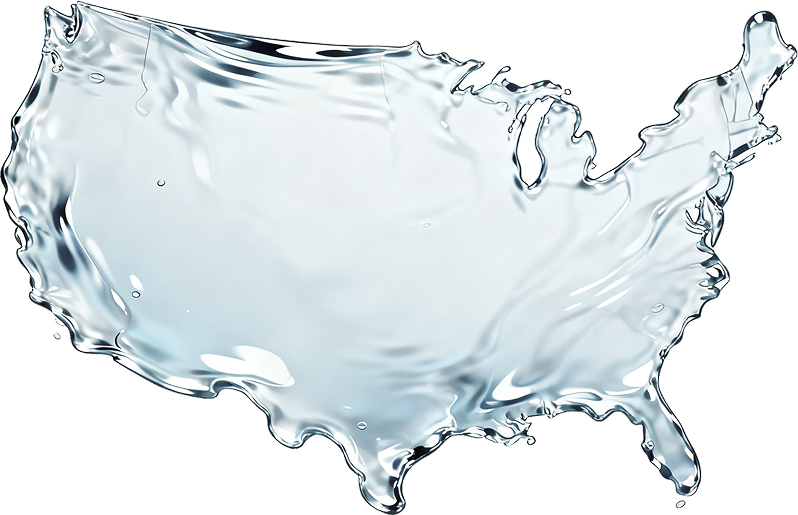
The Truth About City Water and Aging Infrastructure
Millions of Americans rely on municipal water treatment plants. While these facilities work hard to meet basic federal safety standards, the journey from the plant to your tap is heavily flawed.
Aging, decades-old pipes often introduce heavy metals like lead and copper back into the water supply. Furthermore, to keep water biologically safe during transit, cities use heavy amounts of chlorine and chloramines, leaving your tap water with a harsh chemical taste, strong odors, and potentially harmful disinfection byproducts.
Check Your Own Water
The Environmental Working Group, an independent nonprofit, maintains a nationwide database of municipal water testing results. Enter your zip code to see what's actually in your tap — before you decide what to filter out.
See what's in your water
Enter your ZIP code to open the independent Tap Water Database report for your local utility.
Opens the Environmental Working Group Tap Water Database in a new tab. EWG is an independent nonprofit compiling data from more than 50,000 U.S. water utilities. AquaVerde is not affiliated with EWG. Private wells are not covered — those require a certified lab test.
Unregulated and Unpredictable
We don't want to be just another filter store; we want to be your trusted advisor.
If you are one of the
43
million Americans
relying on a private well, you are your own water treatment plant.
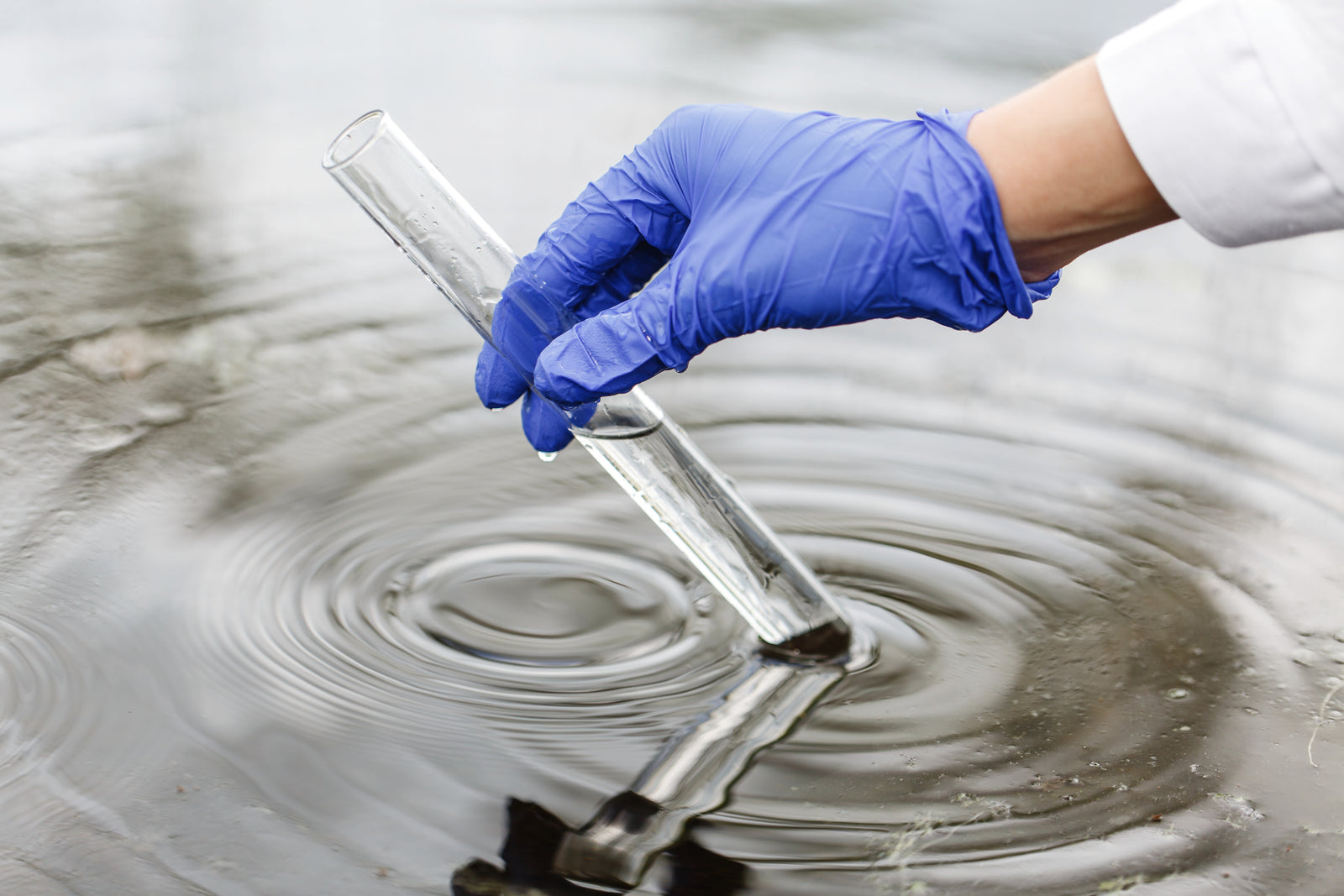
The EPA does not regulate or test private wells, meaning the responsibility for safety falls entirely on the homeowner.
Well water is highly susceptible to agricultural runoff, bacterial contamination, extreme hardness, and heavy metals like iron and manganese. Without proper testing and multi-stage filtration, well water can quietly damage your home's plumbing and pose serious health risks.
Modern Contaminants You Need to Know
Water pollution is evolving. Today's filtration systems need to do more than just remove dirt and chlorine. We educate our customers on the invisible threats found in modern water supplies:
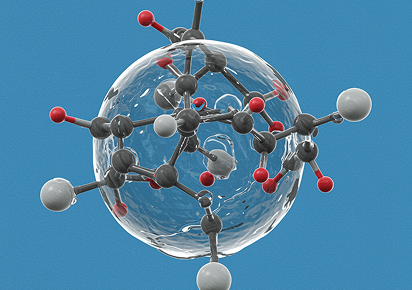
🟠 PFAS (Forever Chemicals)
Synthetic chemicals used in everyday products that do not break down in the environment and are increasingly found in local water tables.
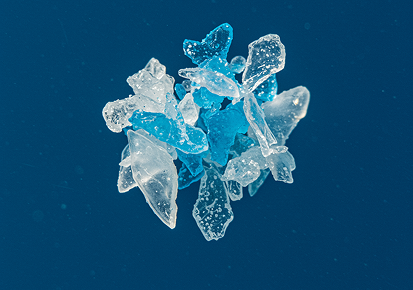
🔵 Microplastics
Microscopic plastic fragments that bypass standard municipal filtration.
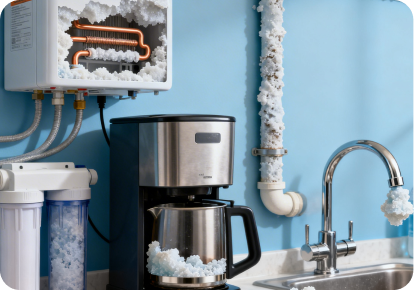
🟢 Limescale & Hard Water
The silent destroyer of home appliances, water heaters, and plumbing infrastructure, affecting over 85% of U.S. homes.
Deep Dives & Water Guides
The Reality of US Municipal Water
What actually happens between the treatment plant and your tap.
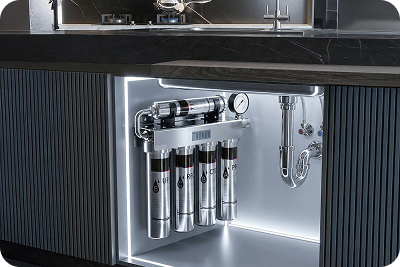
Well Water Safety Guide
Testing, treatment, and what every well owner needs to know.

How to Test Your Water
DIY strips vs. certified lab tests — and when you need each.